SkiCortina guide
About SkiCortina
Who writes SkiCortina, how the facts are checked, and what this guide will not pretend to be.
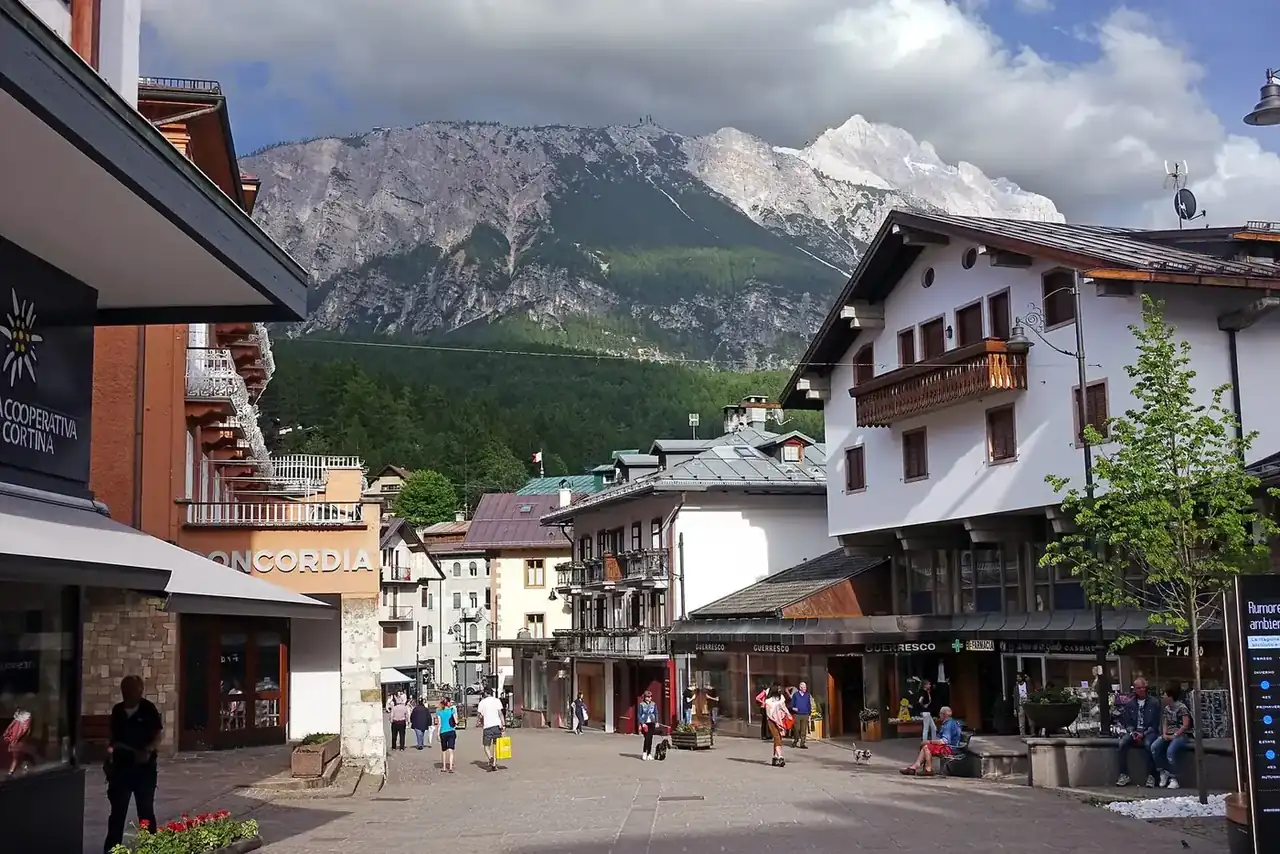
Tiia Monto, Wikimedia Commons, CC BY-SA 3.0

On this page
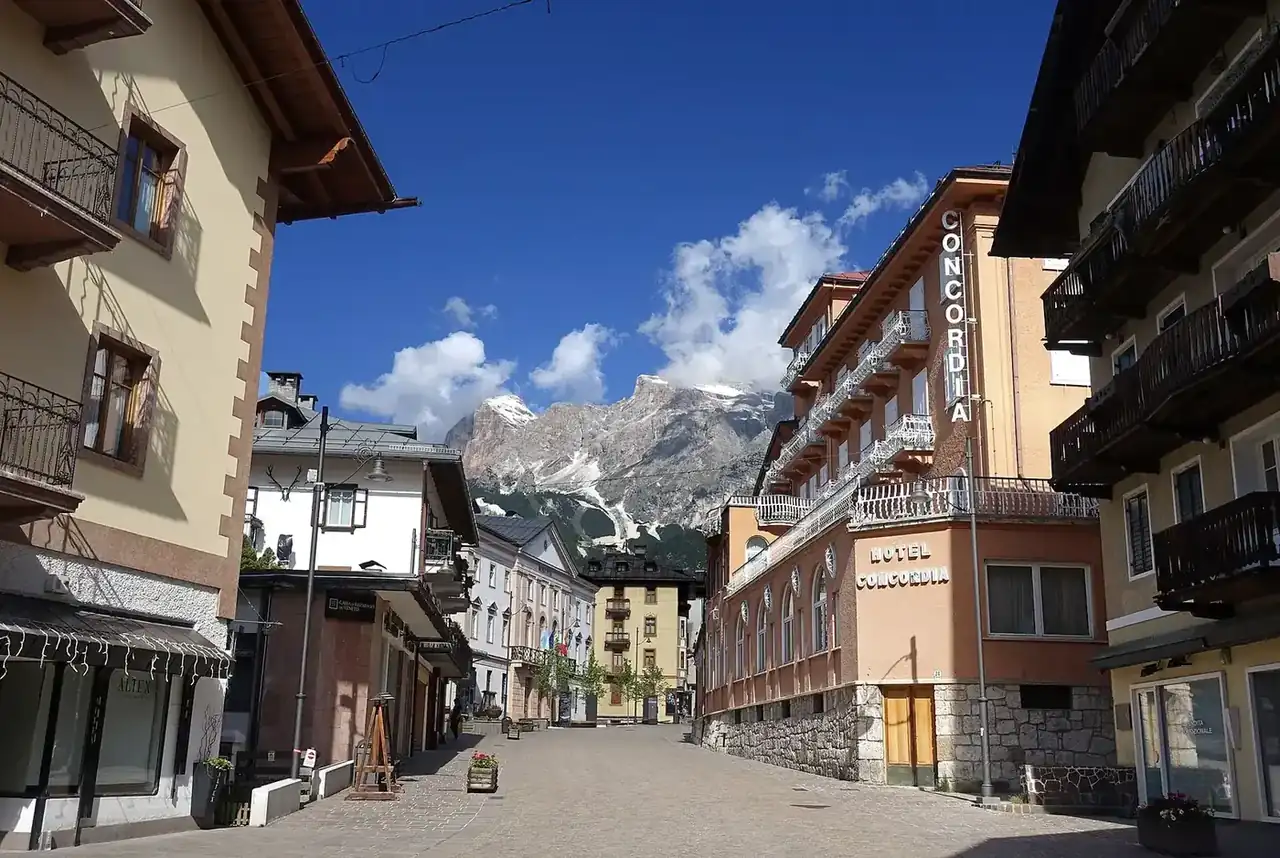

SkiCortina is an English-language guide to skiing Cortina d’Ampezzo in the seasons after Milano Cortina 2026. It explains the mountains, the pass, the buses, and the difference between a town and a linked ski circuit. It is written for someone planning a real week, not for someone collecting slogans about the Queen of the Dolomites. The slogan is already everywhere. The map is not.
The byline
The pages are signed SkiCortina editors. That is a desk, the way a small guide says “the editors” when it will not invent a person, a portrait, or a trail of jobs the person did not have. There is no staff page of correspondents who grew up in Ampezzo unless they did, and nobody here is being given that biography. If a sentence needs a human source, the human source is the lift company, the ski school, the tourism board, or the organising committee, and the link is at the bottom of the page.
The date on each guide is the date the page was checked. For this first set, that date is 15 November 2026. The Olympic Winter Games had finished on 22 February 2026. The Paralympics had finished on 15 March 2026. The Cortina lifts for 2026/27 had not yet opened. That timing is deliberate. A page written in the middle of the Games would have been about fences and road closures. A page written as if the Games were still ahead would be a ticket brochure. This one is about going skiing now.
How a fact gets onto a page
A fact arrives if an official page will say it. Dolomiti Superski is the source for the pass rules, the helmet law, the insurance requirement, the twelve valleys, and the live lift list. The Cortina tourism board is the source for how the valley pass is described locally. The lift company is the source for the Skyline and for which area is expected to open first. Scuola Sci Cortina is the source for lesson ages, offices, and what a course does not include. Fondazione Cortina, Cortina Express, ATVO, and Dolomiti Bus are the sources for distances and coaches. The Games sites are the source for who raced where. Val Gardena’s own pages are the source for Val Gardena’s kilometres, including the awkward bit where a valley figure and a connected-circuit figure must not be mashed into one.
When two official numbers differ, the page says so. Cortina’s lifts page talks about 26 lifts and also about a 120-kilometre valley pass, while the Dolomiti Superski board lists 33 lifts. Hiding one of those numbers would make the page cleaner and worse. You are told to trust the live board on the morning, which is the only honest instruction.
When a number is a price, it stays on the official shop. Pass prices, lesson prices, hotel rates, hut bills, and Amazon prices are all absent on purpose. They move. A guide that freezes them is a guide that starts lying on the day after it is published. The disclosure explains the product links that remain. They are links, not price quotes.
When a service note looks leftover, the page says that too. On 15 November 2026 the Col Drusciè lift still carried a line about an Olympic closure from 26 January, while its season column already read 2026/27. That is worth a sentence, because a visitor who obeys the leftover line will skip a mountain that may be open. It is not worth a paragraph of outrage. Boards are edited by busy people.
What the guide is for
Use it in this order if you are new. Read the home page for the shape of the place. Read the areas before you imagine a single piste map. Read the pass before you pay. Read getting there before you book a flight that lands at the wrong end of the Alps. Read where to stay before you fall for a photograph of a hut that is not a hotel. Then read the page that matches your group: beginners, families, or a weekend. The Olympic page is for the question “what actually happened here”, and the Val Gardena page is for the question “am I in the wrong valley”.
The summer page is a separate season. It records the 2026 walking dates so you can see the pattern, and it tells you those dates have passed. The gear and packing pages are deliberately short lists. A ski trip accumulates objects. Most of them should be rented, or left in the drawer you already have.
What the guide will not be
It will not be a hotel booking engine. The buttons search public sites. Until a Stay22 partner id is connected, they are ordinary searches, and the button says so.
It will not be a property site. People buy and sell homes in Cortina. That market is not this one. If you want a ski week, you want a room for the week. The two searches ruin each other when they share a page.
It will not be a French Alps guide. The next Winter Olympics are Alpes 2030, and the Olympic page points at the organising committee for the dates and the moving venue plan. Writing French resort pages here would duplicate a different mountain range and a different Games. The Alpine kit that builds this site can hold another site later. The sentences should not be copied across. A Courchevel page that has been find-and-replaced with Cortina is how guides become false.
It will not be a snow forecast. The best-time page talks about posted opening windows and about how crowded the town gets. It does not tell you the centimetres on a Tuesday that has not happened. Refresh the lift board. Believe the lift board.
It will not invent a rating. There is no star score for Faloria, no anonymous reviewer, and no review markup in the page code. A piste is described by where it is and who it is for. You can dislike the description and still use the map.
How to argue with it
If a lift date on a page and a lift date on Dolomiti Superski differ, the website of the lift wins. If a coach time differs from cortinaexpress.it or dolomitibus.it, the operator wins. If the ski school changes a meeting point, the school wins. The sources at the foot of each guide are there so you can check the work without taking the desk’s word for it. That is the whole standard: a page you can argue with, because it shows where it looked.
Questions people actually ask
Who is the author?
The byline is SkiCortina editors, a desk name for the people who maintain this guide. It is not a pen name for a fictional correspondent, and it is not a claim that a particular journalist skied every run last Tuesday. The pages name the official sources they were checked against.
How often are the pages updated?
This set was checked on 15 November 2026, after the Milano Cortina Games and before the 2026/27 lifts opened. Lift dates can move with snow. When a guide and the live Dolomiti Superski board disagree, the board is right. Prices are not stored here, so there is no price to go stale.
Is this the tourism board, or a hotel?
No. The tourism board is cortina.dolomiti.org and the town's own sites. The lift company and Dolomiti Superski run the skiing. SkiCortina is an independent English-language guide. Hotel buttons search public booking sites. They are not a reservation desk, and this site does not sell property.
Sources checked
Updated 15 November 2026. Official pages win if a detail here and a live lift board disagree.